
Maintenance, repair and servicing techniques of Dongfeng Special Automobile Buses
——In-depth analysis of the maintenance system using
buses and school buses as examples
As a global technical service partner of Dongfeng Special Automobile Buses (covering buses, school buses and new energy vehicles), Duramac deeply understands the safety responsibilities and operational continuity requirements of buses in public transportation and student transportation. Based on Dongfeng’s original technical specifications and global customer case studies, this article systematically analyzes the core technical framework of bus maintenance, repair and servicing (MRO), helping customers achieve the operational goals of reducing the failure rate by 30%+ and extending the vehicle life to 12 years
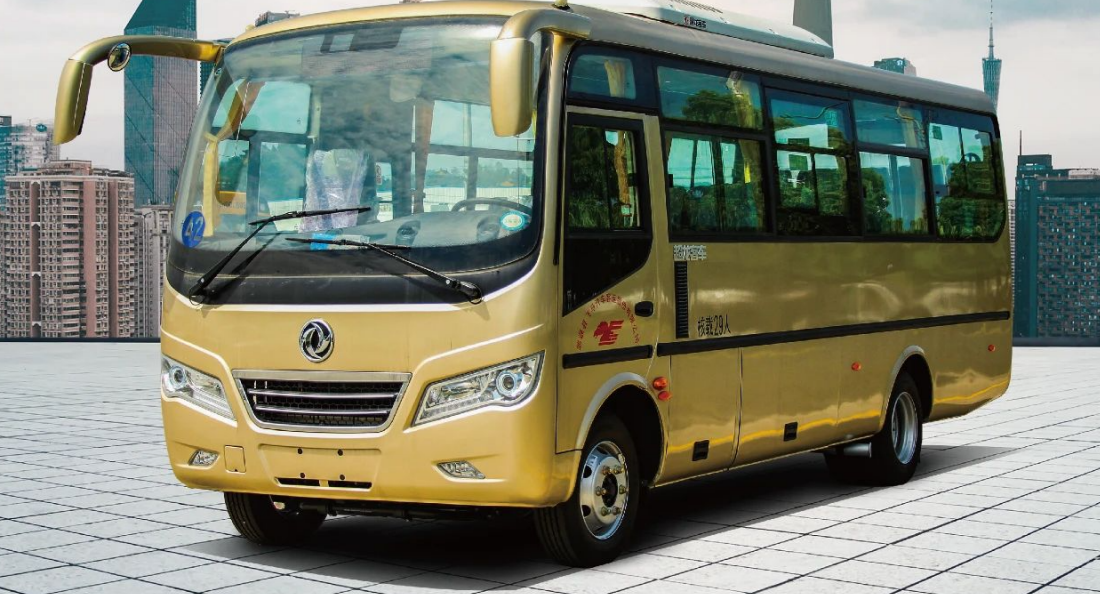
I. Special maintenance of engine system: the core guarantee of power reliability
The engine is the “heart” of the bus, and its status directly determines the performance and operating economy of the whole vehicle. For the diesel engine and new energy range-extending system equipped with Dongfeng Special Automobile Bus, the following links need to be focused on:
1. Scientific management of engine oil and filter
(1) Engine oil replacement cycle: strictly follow the replacement standard of every 5,000 kilometers or 3 months (whichever comes first). It is recommended to shorten it to 4,000 kilometers for long-distance and high-load buses.
(2) Synchronous replacement of filters: including oil filter: including oil filter: including oil filter: including oil filter (every 10,000 kilometers) and fuel filter (every 20,000 kilometers) to prevent impurities from entering the cylinder and causing abnormal wear.
(3) Engine oil selection specifications: give priority to using Dongfeng certified CI-4 grade or above diesel engine oil, high temperature shear value (HTHS) ≥3.5 cP, to ensure the stability of oil film under high temperature conditions.
2. Cooling system overheating prevention maintenance
(1) Check the coolant level before driving every day (must be between MAX-MIN scale), and replace the long-term antifreeze every 2 years or 100,000 kilometers to avoid rust and blockage of waterways.
(2) Clean the radiator grille regularly to ensure heat dissipation efficiency (such as catkins and insect corpses). For buses in high-temperature areas, it is recommended to flush the radiator fins with a high-pressure air gun every month.
3. Intake, exhaust and combustion system optimization
(1) Carbon deposit prevention: Use an endoscope to check the carbon deposit on the piston top every 30,000 kilometers, and use piston ring release agent when necessary to avoid “false oil burning” caused by ring sticking.
(2) Spark plug replacement: Gasoline range extender models need to replace iridium spark plugs every 40,000 kilometers to ensure ignition efficiency.
(3) Turbocharger maintenance: Diesel engines check the turbocharger bearing clearance every 50,000 kilometers and clean the oil stains on the intercooler pipeline.
II. Hierarchical maintenance system: Building a full-cycle protection chain
Dongfeng Bus maintenance needs to establish a step-by-step protection mechanism based on mileage, covering daily, regular and in-depth maintenance.
The vehicle maintenance system is divided into three levels, each of which corresponds to a different execution cycle and core maintenance items, as follows:
1. Daily maintenance: The execution cycle is required before each vehicle is dispatched, during driving and after the vehicle is collected. The core items are the following four points.(1) The chassis is upgraded with an anti-slip drive mode, with a cold start success rate of 99% in an extremely cold environment of -40℃;
(1) Routine inspection of oil/water/electricity/liquid level
(2) Tire pressure calibration
(3) Light signal system test
(4) Brake pedal travel detection
2. Level 1 maintenance: One cycle is performed every 5,000 kilometers, and the core items are the following four points.
(1) Drive belt tension adjustment
(2) Brake pad thickness detection and replacement evaluation
(3) Air dryer drainage operation
(4) Full vehicle bolt preload recheck and tighten
3. Level 2 maintenance: One cycle is performed every 25,000 kilometers, and the core items are the following four points.
(1) Brake drum turning (eliminating eccentric wear)
(2) Wheel hub bearing lubrication maintenance or replacement
(3) Suspension system bushing wear inspection
(4) New energy vehicle exclusive project: power battery pack balanced maintenance
III. Key points for targeted maintenance of key systems
Dongfeng Special Vehicle has formed the most complete school bus spectrum to meet the differentiated needs of the world.
1. Chassis and brake system: the foundation of safe driving.
(1) Steering system: check the clearance of the horizontal and vertical tie rods every month, and the replacement cycle of the steering gear hydraulic oil is ≤ 2 years.
(2) Braking performance management:
①Daily discharge of water from the air reservoir of air brake models;
②The brake fluid should be replaced every 2 years or 60,000 km (DOT4 standard) to avoid air lock caused by water content exceeding 3%;
③Bus brake shoe thickness less than 7mm must be replaced.
2. Electrical and new energy system maintenance
(1) Traditional circuit: Focus on monitoring the oxidation of the battery terminal (clean and apply anti-oxidation paste every quarter). Poor contact of the fuse box can easily lead to light failure.
(2) Three-electric system of electric buses:
① Maintain the power battery SOC at 20%-80% to avoid deep discharge;
② Check the waterproof seal of the high-voltage component connector (the insulation resistance must be tested after wading);
③ Replace the drive motor coolant every 40,000 kilometers (special low conductivity model).

(1) The tire pressure error of buses must be ≤0.2 bar (the standard value is based on the nameplate on the door B-pillar), and X-type rotation must be performed every 10,000 kilometers;
(2) If the shock absorber leaks oil or the damping is attenuated (the vehicle body rebounds > 2 times after being pressed), it needs to be replaced immediately to avoid early fatigue of the leaf spring.
4. Air conditioning and body corrosion protection
(1) The air conditioning filter should be dusted every month, and the refrigerant pressure should be tested every quarter (low pressure end ≈ 2.5 bar);
(2) The body welds and chassis brackets should be sprayed with anti-rust wax every six months, especially in coastal areas with more salt spray.
IV. Special attention to new energy vehicles: Transformation of electric bus maintenance
Dongfeng pure electric/hybrid buses (such as KL series) need to establish a differentiated maintenance system:
1. High-voltage safety regulations: The maintenance switch must be disconnected before maintenance, and 1000V insulating gloves must be worn;
2. Battery health management: Battery capacity calibration is performed every six months (warning is required when SOH<80%), and the air tightness of the thermal management system pipeline is tested regularly;
3. Motor controller heat dissipation: Clean the dust on the IGBT radiator every 30,000 kilometers to prevent overheating and power loss.
V. Professional maintenance capacity building: dual guarantee of personnel and technology
1. Special tool configuration: high-voltage insulation tester, engine endoscope, Dongfeng special diagnostic instrument (decoding CAN bus fault);
2. Technical personnel certification: high-voltage electrician qualification (new energy vehicle model), Dongfeng technical training certificate (access to TDS system to obtain technical bulletin);
3. Fault big data application: establish a typical fault library (such as EC8 engine piston ring jamming, electric pump relay adhesion), and optimize spare parts inventory in a targeted manner.
VI. Conclusion: Maintenance is the core competitiveness of operating costs
Dongfeng Bus’s full-cycle scientific maintenance is essentially an investment in the reliability of the power system. In the full life cycle cost of the bus, scientific maintenance investment can reduce the average annual downtime due to failure by 42%. Duramac takes the deep maintenance of the power system as the foundation, the data-based prevention system as the link, and the global technical support as the backing to help customers build Dongfeng Bus into a dual benchmark of safety and efficiency.

Online Service Sales Director-Mr.Jasper Lee Sales Manager-Mrs.Wendy Fu Spare Parts Sales-Miss. Nora Cao After-Sales Manager-Miss. Tina Zhang Merchandiser-Miss. Yoyo Tao

Contact EMAC Now!